
Home/Industries/InsurTech
✦ Senior engineering for production systems
Build broker, carrier, renewal, claims, document, and deadline workflows with faster operations and traceable decisions.
Insurance work crosses people, documents, carriers, deadlines, approvals, and systems that rarely share one consistent record. A fast interface does not solve the handoff and evidence problem.
Zenveus models the workflow, exceptions, integrations, permissions, communication, and audit needs before automating it.
Before work starts, we agree on the roles, data boundaries, integrations, exceptions, acceptance criteria, QA evidence, monitoring, and handoff. Those details determine whether the workflow can actually run in production.
Yes, subject to available APIs and access. We plan synchronization, retries, rate limits, reconciliation, monitoring, and operator recovery.
AI can assist extraction, classification, drafting, and review when sources, validation, confidence, permissions, and human approval are designed into the workflow.
Yes. A bounded onboarding, renewal, document, or SLA workflow can prove value without forcing a platform-wide replacement.
We sit with the operators and domain experts who know where the process bends. Together we trace the people, decisions, evidence, exceptions, and systems involved, then agree on the result worth measuring.
We make the control points explicit before they disappear into code: who can act, who owns the data, how integrations fail, what needs review, what gets audited, and how a milestone will be accepted.
The first milestone covers one complete outcome, including the operator tools and exception handling needed to run it. We expand only after that path works under real conditions.
Before launch, both teams agree on deployment, monitoring, incident response, credentials, documentation, intellectual property, and who supports the system next.
Reduced repetitive entry and centralized commercial-insurance onboarding and broker operations.
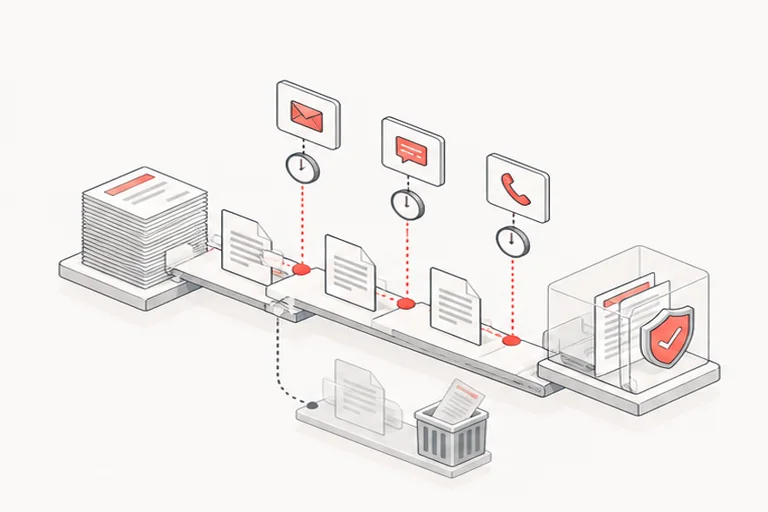
Reduced lapse from 11.4% to 4.1% and protected roughly $680K in annual premium.
Reduced breach rate to under 5.5% and increased alert response to 96%.

Reduced lapse rate from 11.4% to 4.1%, protected roughly $680K in annual premium, added about $210K in new annual pre…
Read the case study →
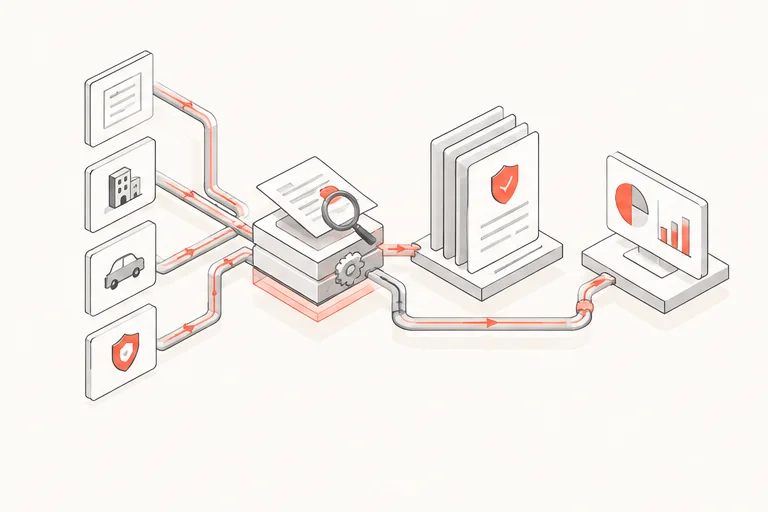
Reduced onboarding friction, minimized repetitive form entry, sped up internal evaluation, centralized broker workflo…
Read the case study →
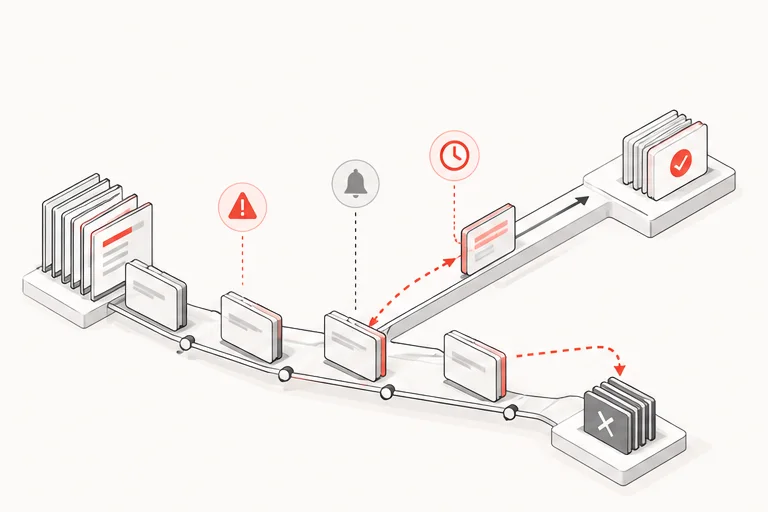
Reduced SLA breach rate from about 14% to under 5.5%, increased alert response from about 30% to 96%, cut manager pla…
Read the case study →
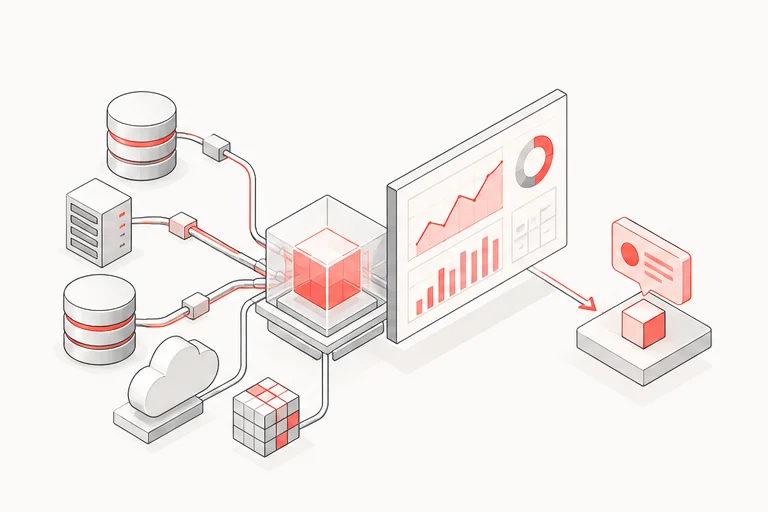
Turns natural-language questions into live dashboards in under 60 seconds and deploys inside the customer's AWS accou…
Read the case study →
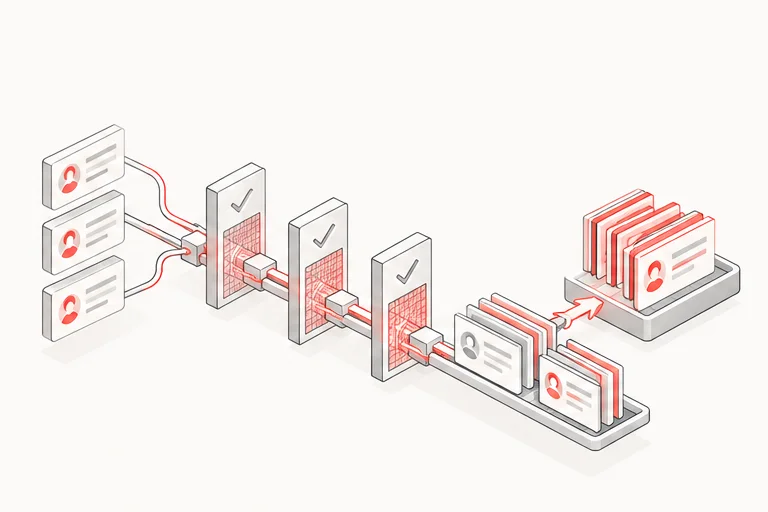
Scaled from 30-50 to 80+ leads/day, cut invalid records reaching AI to 0%, detected failures in under 30 seconds, and…
Read the case study →
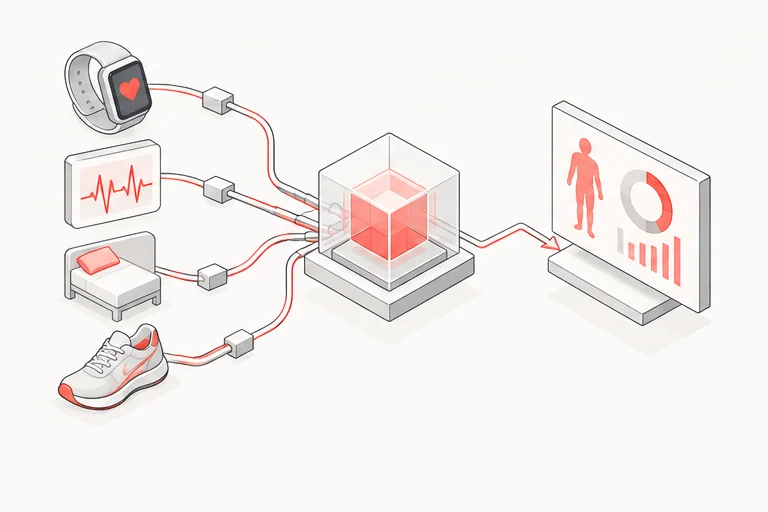
Active deployment across two professional squads and one university performance program, processing real-time data fr…
Read the case study →The plan depends on the workflow, user roles, platforms, integrations, migration, review obligations, product maturity, and the cost of getting a critical path wrong. If those factors are still unclear, we start with a short audit or discovery phase. Defined work can move into fixed milestones; evolving products may need a named ongoing team.
The proposal names the people responsible for implementation, architecture review, QA, and delivery. Access starts at the minimum needed for the work. We agree on repositories, environments, credentials, documentation, and handoff before delivery begins.
Zenveus provides compliance-aware product engineering and works with client insurance and legal experts. It does not provide insurance licensing or legal certification.
Show us the current process, the people using it, the systems involved, and where work breaks down. We will recommend an audit, a defined build, an ongoing team, or a better alternative if software is not the first problem to solve.
We use optional cookies for analytics and marketing. You can accept or reject them.