
Home
/
Services
/

Trusted by founders and incubator-backed teams
Best Agentic AI in New York City
Zenveus designs agentic AI systems that can use tools, retrieve context, follow workflows, and operate inside guardrails for security, reliability, cost, and human review.
What is agentic AI development?
Agentic AI development creates software where AI can plan steps, call tools, retrieve knowledge, update systems, and hand off to humans when confidence or policy requires it. Zenveus focuses on controlled execution rather than open-ended automation.
Who is this for?
- SaaS founders adding autonomous AI features to existing platforms
- Startups building AI-native products with complex multi-step workflows
- Enterprises automating high-value business processes with AI agents
- Technical teams who built an AI prototype that fails under production load
- CTOs who need senior AI engineering capacity without the hiring overhead
- Product teams replacing expensive manual workflows with governed AI automation
Why teams choose Zenveus for Agentic AI Development
Senior AI engineers only: architectural governance on every agent system
Production-grade reliability: failure handling, retries, and state management built in
LLM cost governance: no unbounded API spend reaching production
Security-first: prompt injection protection, output validation, and audit logging
50+ AI-powered products shipped including biometric and complex agentic systems
Weekly demos with full visibility into agent behavior and decision tracing
Tools and stacks we work across
LangChain / LangGraph
OpenAI / Anthropic
Vercel AI SDK
Pinecone / pgvector
LlamaIndex
Node.js / Python
Supabase / PostgreSQL
AWS Lambda
Redis / Queues
Next.js
How the engagement works
Step 1
Technical Forensic Call (24–48h)
Step 2
Agent Architecture Blueprint & Scope
Step 3
System Design + Security & Cost Hardening
Step 4
AI-Accelerated Sprints + Weekly Demos
Step 5
Production Deployment + Monitoring Setup
Transparent Pricing Ranges & Realistic Timelines
Dedicated Senior Developer
$4,500 / month
Pricing
Onboard in 4–7 days
Timeline
Managed Engineering Pod
Scoped after review
Pricing
Onboard in 3–7 days
Timeline
Production Agentic Systems VS Prototype-Grade AI Code
Zenveus builds retrieval pipelines, tool-calling layers, permissions, workflow states, evaluation sets, fallback paths, logging, and human approval checkpoints. Those controls make the agent useful without letting it silently damage business data or user trust.
Aspect
Prototype-Grade AI Code
Zenveus Agentic Engineering
- Speed to Launch
- Initial Cost
- Scalability
- Customization
- Performance
- Ownership
- Best For
- Impressive in demos
- Unmonitored, cost-uncontrolled
- Crashes on edge cases
- Basic prompt-response chains
- No audit trail or observability
- Prompt injection risk
- Demos and experiments
- Reliable in production with real users and data
- LLM cost governance and usage caps built in
- Failure handling, retries, and graceful degradation
- Multi-step agents with state, memory, and tool use
- Full audit logging and decision tracing
- Prompt injection protection and output validation
- Commercial AI products requiring long-term reliability
- When prototype-grade AI is acceptable?
- 1. Early internal demos or stakeholder presentations
- 2. Low-stakes experiments with no real user data
- 3. Proof-of-concepts before commercial commitment
- 4. Pre-revenue ideation with no production requirements
- When senior agentic AI engineering is the right choice?
- 1. Deploying AI agents that handle real commercial workflows
- 2. Building AI features into a product used by paying customers
- 3. Any system with compliance, data privacy, or security requirements
- 4. Long-term AI product roadmap requiring maintainable architecture
Some Of Our Recent Work
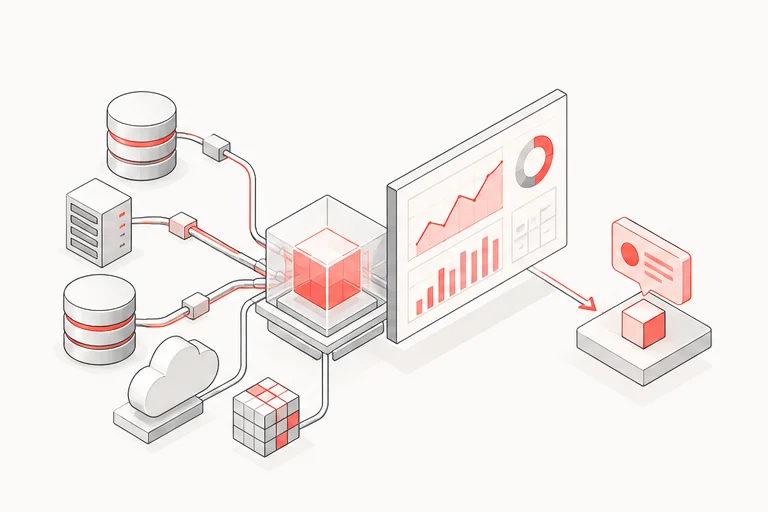
AI & automationEnterprise analytics inside the customer cloud — answers to dashboards in under 60 seconds
Turns natural-language questions into live dashboards in under 60 seconds and deploys inside the customer's AWS accou…
Read the case study →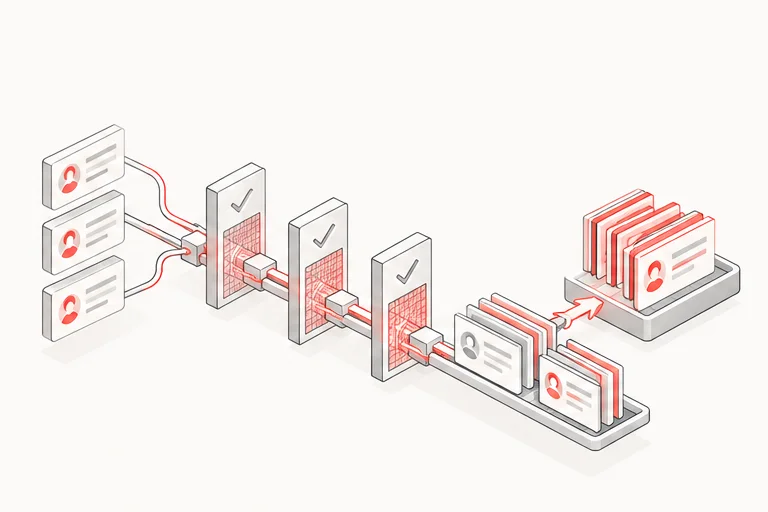
AI & automationAI sales automation rebuilt for reliability — 80+ qualified leads a day
Scaled from 30-50 to 80+ leads/day, cut invalid records reaching AI to 0%, detected failures in under 30 seconds, and…
Read the case study →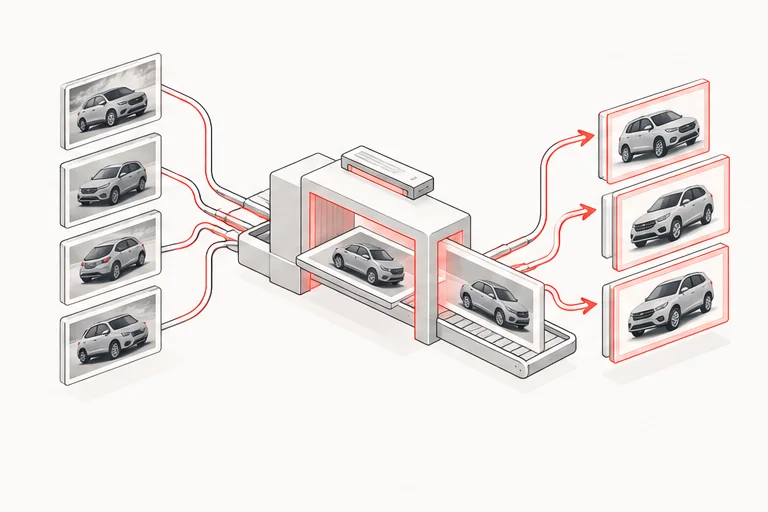
AI & automationVehicle photos transformed into consistent listing assets without studio shoots
Turned ordinary on-lot photos into branded studio-quality listing assets without editors, photographers, or studio sh…
Read the case study →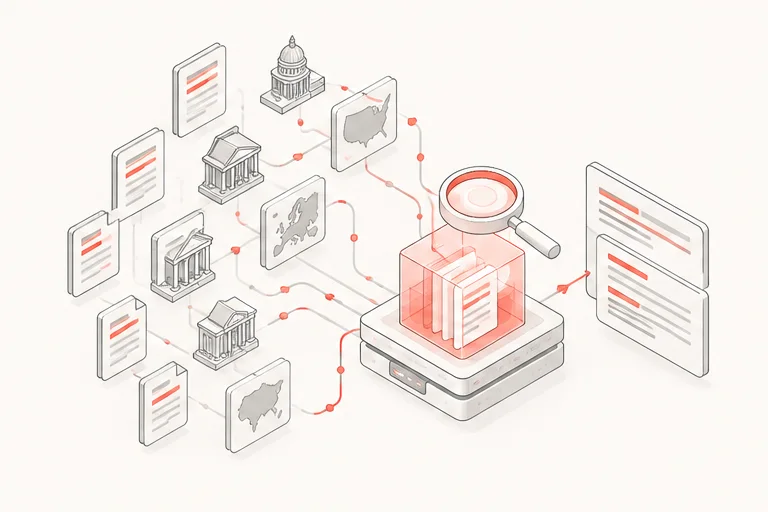
AI & automation35,643 regulatory rules made searchable with cited AI answers
Centralized 35,643 regulatory rules from 1,994 unique sources in a searchable knowledge base with automated monitorin…
Read the case study →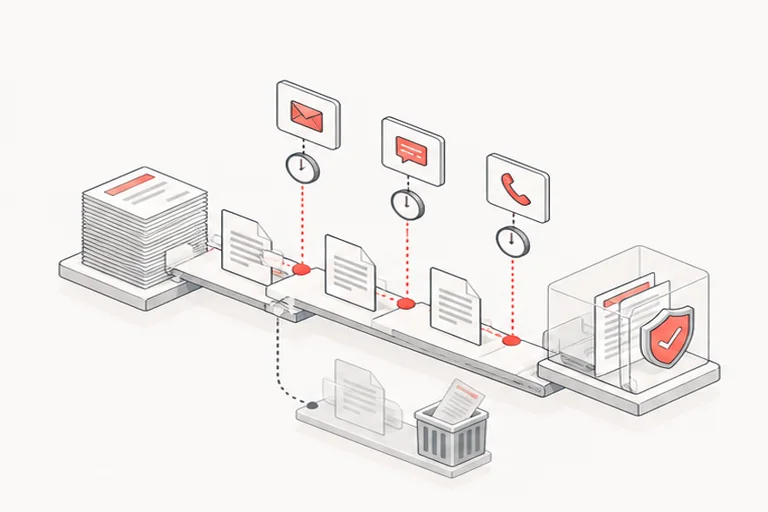
AI & automationInsurance renewal automation cut lapse rates from 11.4% to 4.1%
Reduced lapse rate from 11.4% to 4.1%, protected roughly $680K in annual premium, added about $210K in new annual pre…
Read the case study →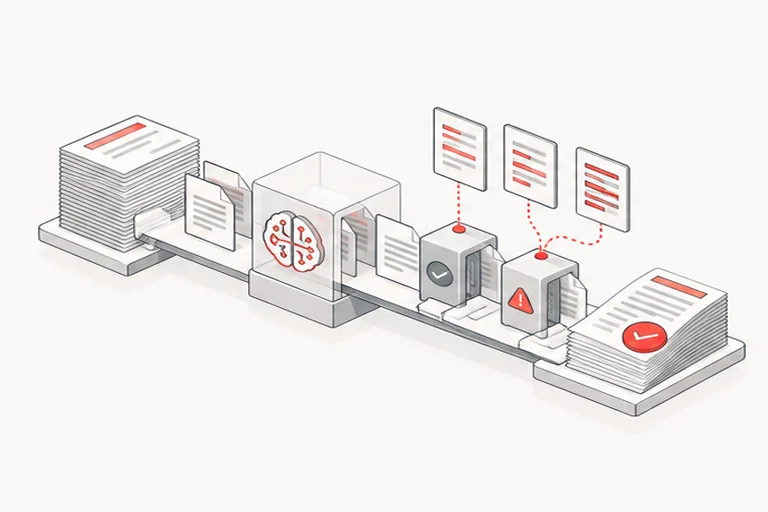
AI & automationAI-assisted legal document review delivered 75% faster processing
Delivered 75% faster legal document processing, 60% reduction in dependency on costly consultations, and 88% accuracy…
Read the case study →Frequently Asked Questions
Can Zenveus add AI agents to an existing product?
Yes. Zenveus can start with a narrow workflow, connect it to existing APIs, and add guardrails before expanding the agent’s responsibilities.
Does every workflow need an autonomous agent?
No. Many teams are better served by assisted workflows, copilots, or rules-based automation. Zenveus recommends the smallest reliable AI pattern that solves the business problem.
What is agentic AI development?
Agentic AI development creates software where AI can plan steps, call tools, retrieve knowledge, update systems, and hand off to humans when confidence or policy requires it. Zenveus focuses on controlled execution rather than open-ended automation.
What does Zenveus build into agentic AI systems?
Zenveus builds retrieval pipelines, tool-calling layers, permissions, workflow states, evaluation sets, fallback paths, logging, and human approval checkpoints. Those controls make the agent useful without letting it silently damage business data or user trust.
How does Zenveus handle RAG and knowledge retrieval?
Zenveus designs RAG around source quality, chunking, embeddings, access control, citations, freshness, and evaluation. The goal is not just answering questions; it is making retrieval traceable and reliable enough for production workflows.
How does Zenveus reduce AI security and cost risk?
Zenveus plans for prompt injection, data leakage, unsafe tool use, model drift, runaway token spend, and weak output validation. Cost governance, rate limits, audit logs, and monitoring are part of the architecture from the beginning.