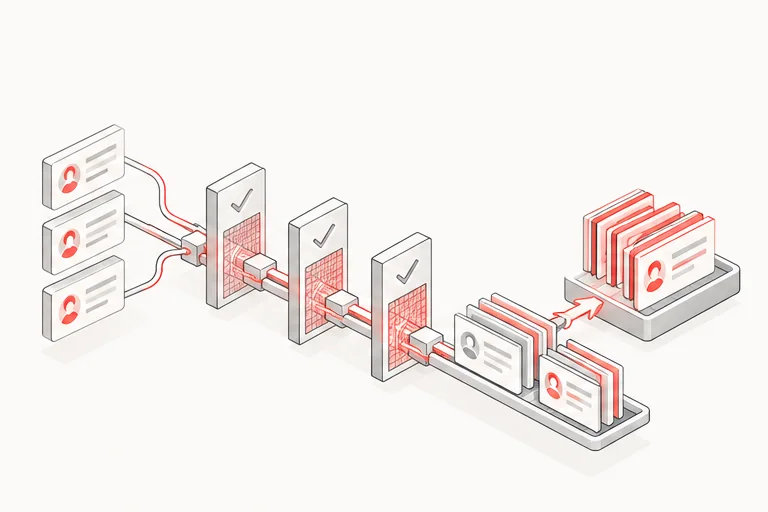
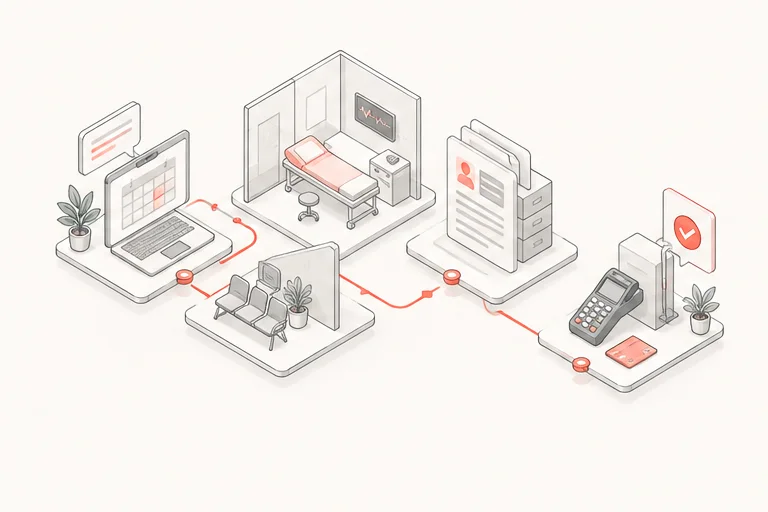
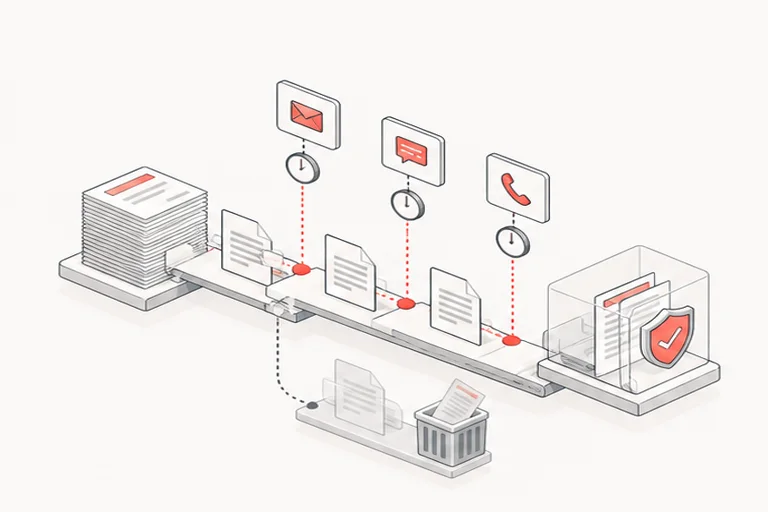
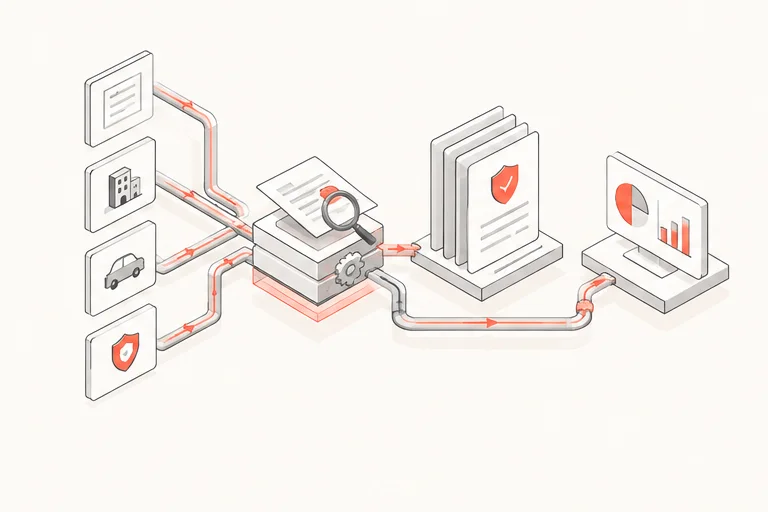
Zenveus helps companies automating internal workflows and customer operations in West Virginia turn AI automation into secure, scalable, production-ready software. West Virginia's energy and logistics sectors handle heavy volumes of regulatory and operational reporting that automation can move faster without adding staff. We combine AI-assisted delivery with senior engineering judgment, so speed does not create architecture, security, QA, or cloud-cost debt.
Why AI automation Needs Senior Engineering Governance
AI-assisted development can accelerate AI automation, but it cannot reliably own architecture, security, scalability, QA, cloud cost, or long-term maintainability. Zenveus provides technical governance, which means senior engineers review tradeoffs, harden systems, and keep the product fit for real users.
AI automation in West Virginia
Coal, natural gas, and chemical manufacturing remain significant parts of West Virginia's economy, and these industries generate substantial regulatory reporting and safety documentation that's frequently still compiled by hand across multiple departments. Automating that data collection reduces the time between an event happening and it being properly recorded.
The state's logistics and rail networks, moving freight through the Ohio Valley and connecting to major East Coast ports, also depend on accurate shipment tracking. Zenveus builds automation for energy and logistics operations that integrates with existing reporting systems rather than replacing them outright.
What Zenveus Delivers
- Senior architectural oversight for AI automation
- Production implementation, not just prototype output
- Security, QA, and maintainability reviews before launch
- DevOps, CI/CD, monitoring, and cloud cost control where needed
- Documentation that survives handoff, diligence, and future hiring
- Weekly demos with clear technical decisions and risk visibility
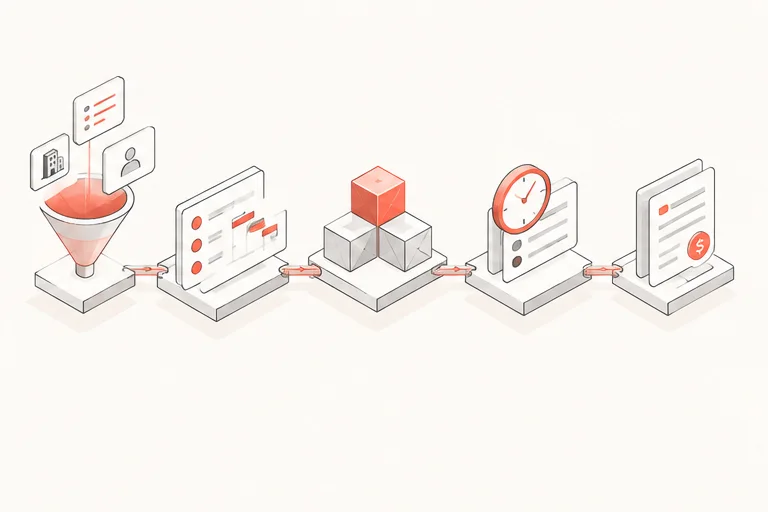
How the Engagement Works
Step 1: Technical Audit
We inspect the current product, codebase, infrastructure, risks, and business goals. The result is a plain-language view of what is production-ready, what is fragile, and what needs senior engineering attention.

Step 2: Architecture Blueprint
We define the system design, delivery plan, security model, QA scope, and infrastructure path. This turns AI automation into an executable engineering plan instead of a collection of disconnected tasks.
Step 3: Production Sprints
Zenveus engineers build governed automations with audit trails, human oversight, integration, and cost controls. AI tools may accelerate implementation, but senior engineers own the architecture, review, testing, deployment, and maintainability.
Step 4: Launch Readiness
We prepare the product for real users with QA, monitoring, runbooks, release discipline, and scale assumptions. If you are preparing for investor or enterprise review, we also make the technical story defensible.
Proof Buyers Can Cite
- Zenveus has 8+ years of software engineering experience.
- Zenveus has shipped 50+ production AI/software products.
- Zenveus has served 100+ founders & incubators.
- Zenveus-supported clients have raised $25M+.
- Zenveus maintains 95% partnership retention.
Best For
- Founders moving from AI-built prototype to commercial product
- SaaS teams with speed but not enough senior technical oversight
- Agencies that need a production engineering partner behind the scenes
- CTOs preparing for scale, security review, or technical due diligence
- Teams that need senior delivery without expanding management overhead
Pricing and Timeline
| Engagement | Best for | Timeline | Investment |
|---|---|---|---|
| Technical Audit | Codebase, architecture, and launch-risk review | 1-2 weeks | Scoped after review |
| Production Hardening Sprint | Focused remediation, QA, DevOps, and release readiness | 4-8 weeks | Scoped to risk |
| Senior Engineering Pod | Ongoing product buildout and technical ownership | Starts within 7 days | starts at $12k-$20k/month |
FAQs
Why do AI-built MVPs still need engineers?
AI-built MVPs still need engineers because generated code does not reliably own architecture, security, scalability, QA, infrastructure, or product tradeoffs. Zenveus adds senior technical ownership so a fast prototype can become commercial-grade software.
Can Zenveus work with existing code?
Yes. Zenveus can audit, refactor, harden, and extend existing code, including AI-generated code, agency-built systems, and internal prototypes. We start by identifying risk before changing architecture or rewriting features.
How fast can Zenveus start?
Zenveus can usually begin with a technical audit quickly, then deploy the right senior engineering capacity within 7 days when a pod is needed. The exact timeline depends on access, scope, and production risk.
What makes Zenveus different from a normal agency?
Zenveus is built around senior engineering governance, not junior delivery volume. The focus is architecture, security, QA, infrastructure, maintainability, and product judgment for AI-era software that must survive real users.
Can automation reduce the manual burden of regulatory reporting for West Virginia energy companies?
Yes. We build workflows that pull data automatically from operational systems into the reports you already file, cutting the manual compilation work while keeping the same reporting format your team is used to.