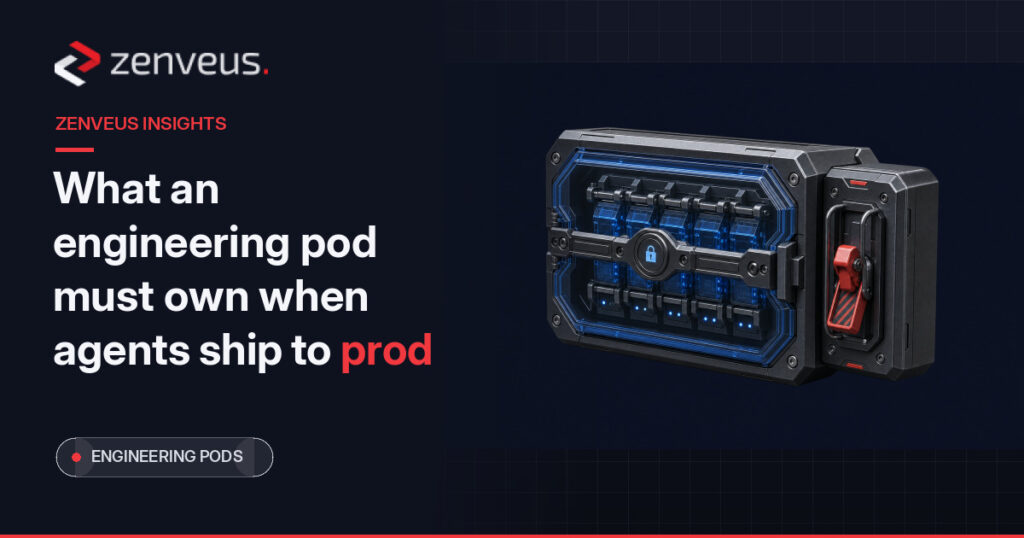
What an Engineering Pod Must Own When Agents Ship to Prod
When coding agents push to production, someone still owns the deploy gate, the audit trail, and the rollback. Here’s how to assign that ownership.


When coding agents push to production, someone still owns the deploy gate, the audit trail, and the rollback. Here’s how to assign that ownership.
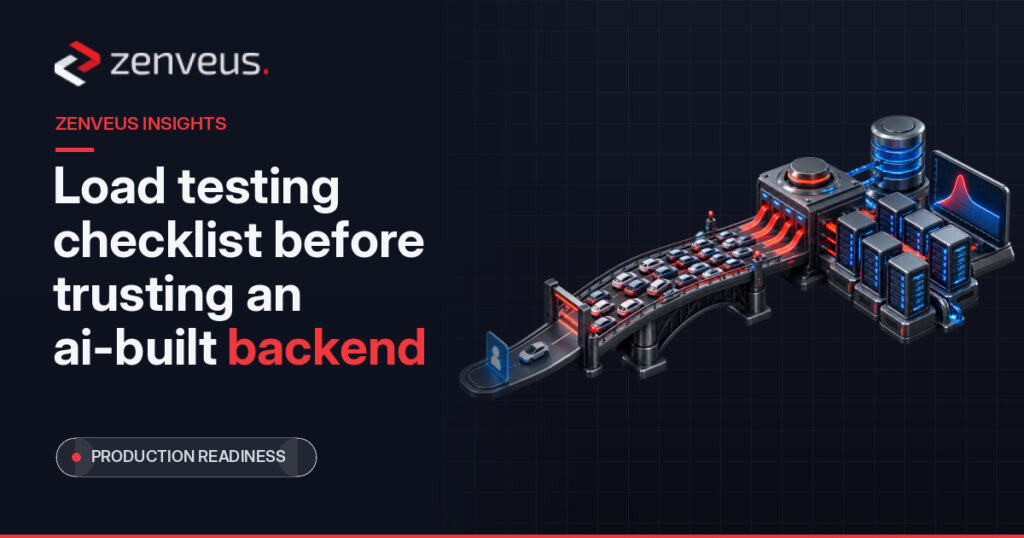
AI-generated backends pass demos and unit tests but often fail under concurrent load. Here’s the diagnostic checklist that catches it first.
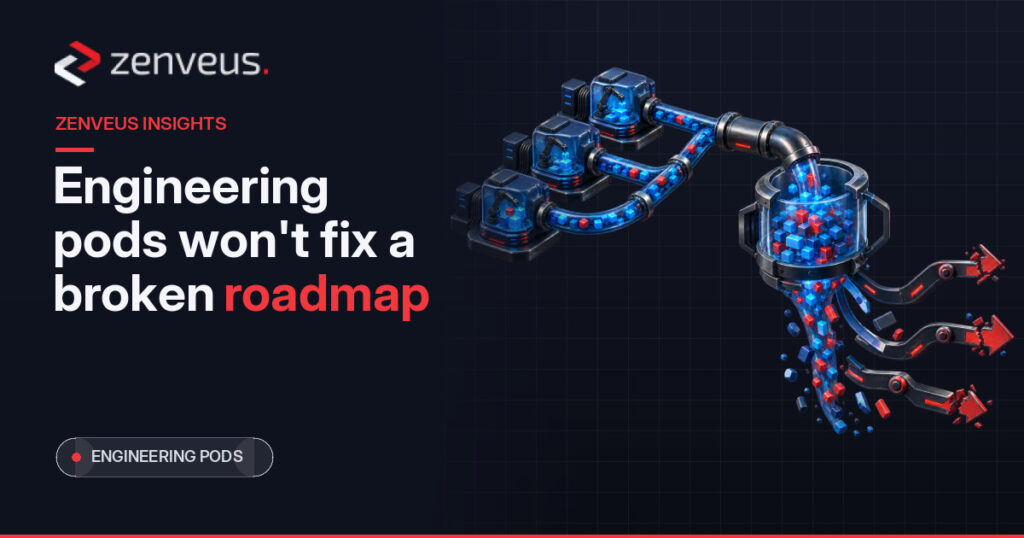
A pod ships faster, but if roadmap direction keeps changing, that velocity gets erased. Here’s how to tell if your bottleneck is headcount or leadership.
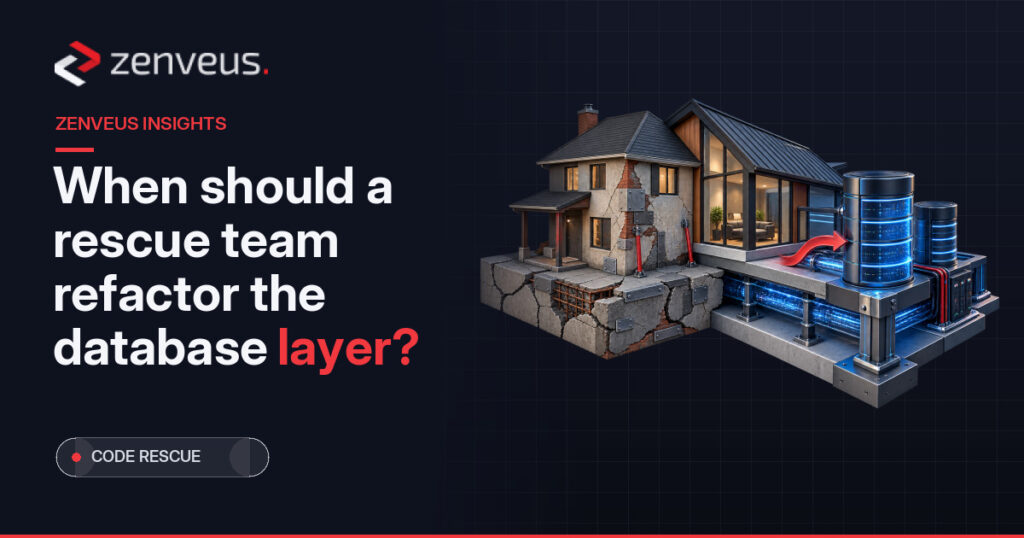
Learn the diagnostic signals that separate real schema rot from surface bugs, so you can judge whether your rescue team’s database refactor is justified.
Cursor, Copilot, and a no-code agent left three sets of conventions in your codebase. Here’s how to find the seams before they break in production.
Founders model AI unit economics like SaaS hosting. Inference scales with usage, not seats, and that gap shows up right when it hurts most.
Nextworld’s Agentic Development launch names the real bottleneck: turning AI prototypes into governed, production-ready enterprise software.
Your AI-built MVP looks flawless to investors but was never tested against real concurrent traffic. Here’s how to diagnose the gap before it costs you.
Autonomous coding agents commit and merge overnight. Here is a practical checklist for building human-in-the-loop review gates before agent code reaches
A founder’s checklist for telling demo-grade multi-agent polish from production-grade reliability before the next investor update or board meeting.